
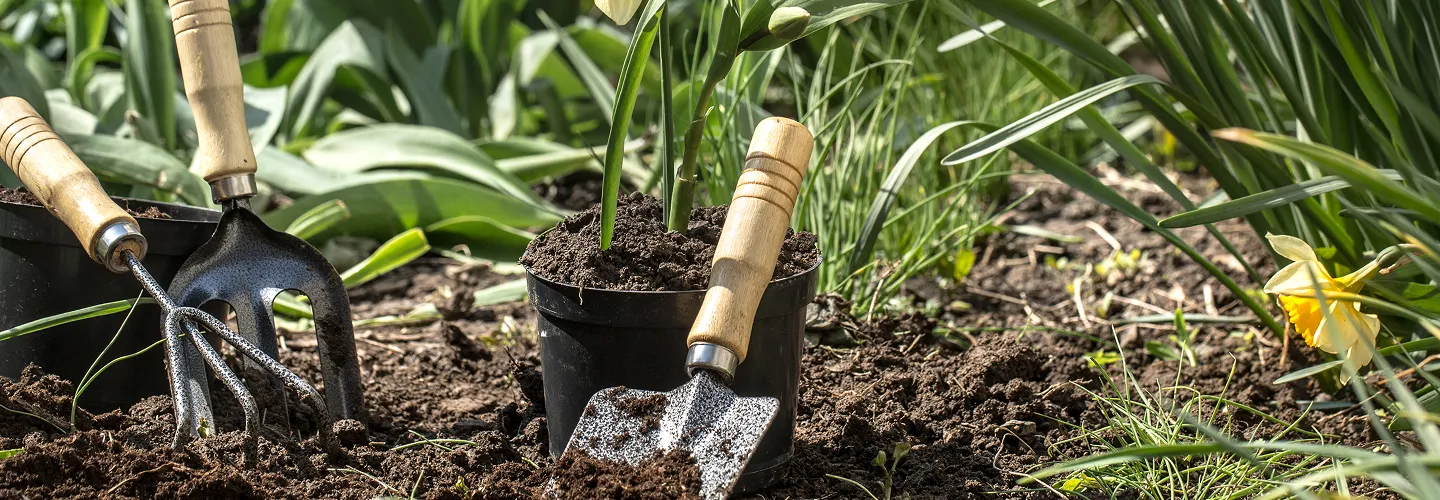
Guadalupe Brush Removal Services
Choose our expert brush removal services for fast, thorough clearing that enhances your property's safety, curb appeal, and value—handled by a trusted local team committed to your satisfaction.
Get a Free QuoteOur Guadalupe Landscaping & Yard Care Services
When to Schedule Brush Removal in Guadalupe, Arizona – Seasonal Guide
In Guadalupe, Arizona, timing your brush removal is crucial for maintaining a safe and attractive landscape. The region’s unique Sonoran Desert climate—with its hot summers, mild winters, and monsoon rains—means that the best periods for brush clearing are typically late winter through early spring, and again in late fall. These windows avoid the peak heat and humidity of summer, while also steering clear of the rare but impactful frost events that can occur in neighborhoods like South Mountain Vista or near the Guadalupe Mercado.
Local environmental factors play a significant role in determining the optimal schedule. For example, the clay-heavy soils common in Guadalupe can retain moisture after monsoon storms, making some areas more accessible for removal equipment. Shade coverage from mature mesquite and palo verde trees, as seen in the neighborhoods bordering the Western Canal, can also affect undergrowth density and brush regrowth rates. Additionally, municipal guidelines and seasonal fire risk advisories—often updated on the Town of Guadalupe’s official site—should always be reviewed before scheduling service.
Local Factors to Consider for Brush Removal in Guadalupe
- Tree and shrub density, especially in older neighborhoods
- Terrain slope and accessibility for equipment
- Seasonal precipitation and monsoon timing
- Local frost dates and drought risk
- Shade coverage from native trees
- Soil type and drainage characteristics
- Municipal restrictions or fire safety advisories
Benefits of Brush Removal in Guadalupe

Enhanced Curb Appeal
Improved Property Safety
Reduced Fire Hazards
Healthier Plant Growth
Increased Usable Space
Eco-Friendly Disposal Practices
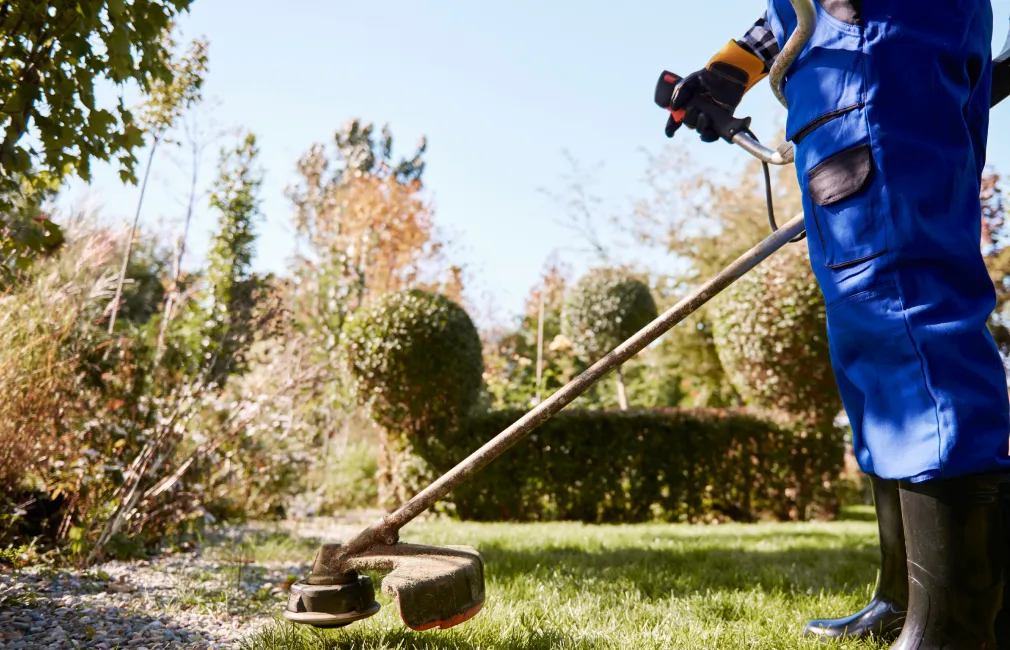
Guadalupe Brush Removal Types

Manual Brush Clearing
-
Mechanical Brush Removal
-
Selective Brush Thinning
-
Brush Mulching
-
Controlled Burning
-
Herbicide Application
-
Grubbing and Root Removal
Our Brush Removal Process
Site Evaluation
Safety Preparation
Brush Clearing
Debris Removal
Final Inspection
Why Choose Guadalupe Landscape Services
-
Guadalupe Homeowners Trust Us
-
Expert Lawn Maintenance
-
Reliable Scheduling
-
Competitive Pricing
-
Professional Team
-
Satisfaction Guarantee
-
Personalized Service
Coordinating Brush Removal with Guadalupe's Public Works and Stormwater Programs
Brush removal in Guadalupe requires coordination with municipal departments that oversee debris handling, drainage infrastructure, and right-of-way maintenance. The Town of Guadalupe Public Works Department manages street corridors, drainage systems, and public infrastructure, making it the primary point of contact for residents and property managers planning brush disposal or curbside placement. Before staging brush piles along roadways or near drainage inlets, property owners should verify current bulk pickup schedules and acceptable bundling or container requirements directly with Public Works.
Key coordination steps include:
- Confirming whether brush materials qualify for municipal collection or require private hauling to an approved transfer station
- Ensuring brush piles do not obstruct sidewalks, curb inlets, or drainage channels
- Reporting storm-damaged brush blocking public rights-of-way promptly to Public Works
Guadalupe Public Works Department
9241 S. Avenida del Yaqui, Guadalupe, AZ 85283
Official Website: Guadalupe AZ Public Works
The Town's Storm Water Management program also applies to brush removal activities, particularly when work occurs near washes or retention areas where displaced organic debris could impair water quality or block flow paths.
How Guadalupe's Low-Desert Heat and Soils Affect Brush Accumulation
Guadalupe sits within the Phoenix metropolitan low desert, classified in USDA Hardiness Zone 10a, where extreme summer temperatures routinely exceed 110°F. These conditions directly influence how brush accumulates and how removal should be managed. Several environmental factors shape brush removal needs across the town:
- Alkaline, caliche-bearing soils common throughout Maricopa County resist root penetration, causing shallow-rooted shrubs and volunteer vegetation to break loose during high winds or monsoon microbursts
- Monsoon season from June through September generates sudden debris loads as wind-snapped branches, dried mesquite limbs, and uprooted saltbush accumulate on lots and along fence lines
- Reflected heat from block walls, concrete driveways, and asphalt intensifies desiccation of ornamental shrubs, accelerating dieback and increasing the volume of dead brush requiring removal
- Compacted subdivision fill and decomposed granite surfaces allow brush debris to collect in low spots, where it can obstruct sheet-flow drainage during storm events
Dry brush left on properties during the hottest months also presents a fire-ignition concern, particularly on vacant or unmaintained parcels adjacent to occupied residences.
Navigating Guadalupe's Ordinances and Stormwater Rules for Brush Disposal
Property owners in Guadalupe must comply with the Town Code of Ordinances, which addresses property maintenance standards, nuisance vegetation, and debris accumulation. Allowing brush to pile up on residential or commercial lots may trigger code enforcement action, particularly when accumulations create fire hazards, harbor pests, or obstruct public access. Specific thresholds and enforcement timelines should be verified through the Community Development Department.
Stormwater compliance is equally important. Under Arizona's Phase II MS4 program, municipalities including those in Maricopa County must prevent pollutants—including organic debris—from entering storm drain systems. Brush removal activities that discharge material into washes, retention basins, or curb inlets may violate provisions of the Clean Water Act. Relevant compliance considerations include:
- Keeping cut brush and trimmings contained on-site until properly bundled or loaded for transport
- Preventing loose material from entering street gutters or drainage channels during windy conditions
- Using tarps or secured loads when hauling brush to disposal facilities
Guadalupe Community Development Department
9241 S. Avenida del Yaqui, Guadalupe, AZ 85283
Official Website: Guadalupe AZ Community Development
Guadalupe Storm Water Management
Official Website: Guadalupe AZ Storm Water Management
Timing and Methods for Brush Removal in Guadalupe's Monsoon Climate
Professional brush removal in Guadalupe follows seasonal patterns dictated by the low-desert climate. The most effective scheduling accounts for both vegetation growth cycles and storm-debris windows. Pre-monsoon clearing—typically completed by mid-June—reduces the volume of loose material that high winds can scatter across properties and into drainage infrastructure. Post-monsoon cleanup in October addresses storm-generated debris before it dries further and becomes a fire concern during the dry fall and winter months.
Standard methods and practices include:
- Manual cutting and stacking for residential lots where equipment access is limited by narrow driveways or block-wall enclosures
- Mechanical chipping for larger volumes of woody brush, particularly mesquite, palo verde, and saltcedar limbs common in the area
- Consolidated staging of brush piles away from structures, fences, and drainage paths to prevent obstruction and reduce ignition risk
- Secured transport using tarped trailers or enclosed vehicles to prevent debris loss during hauling on public roads
Brush should be separated from general landscape waste such as soil, rock, or irrigation components, as disposal facilities may require sorted loads. Crews working during summer months should schedule removal during early morning hours to reduce heat-related safety risks and minimize disruption to residents. The Arizona DEQ Stormwater program provides additional guidance on preventing construction and maintenance debris from reaching waterways.
What Neighborhoods Do We Serve Throughout Guadalupe, AZ?
Guadalupe is a compact community of approximately one square mile, but brush removal needs vary across its distinct residential areas and adjacent zones.
- Historic Town Center — Older residential lots with mature mesquite and citrus trees generate consistent brush from seasonal pruning and storm breakage, often requiring manual removal due to narrow lot access
- Avenida del Yaqui Corridor — Properties along this central roadway face right-of-way brush clearance needs, particularly where overgrown vegetation encroaches on sidewalks and drainage infrastructure
- South Guadalupe Residential Area — Smaller lots with block-wall enclosures accumulate dried brush against fences and in rear yards, requiring periodic clearing to maintain fire safety and code compliance
- Eastern Border near Tempe — Parcels adjacent to the Tempe boundary experience runoff-related brush deposits, especially following monsoon events that carry debris from upstream drainage paths
- Western Residential Blocks near I-10 — Reflected heat from freeway infrastructure accelerates vegetation dieback, increasing the frequency of dead-brush removal on nearby properties