
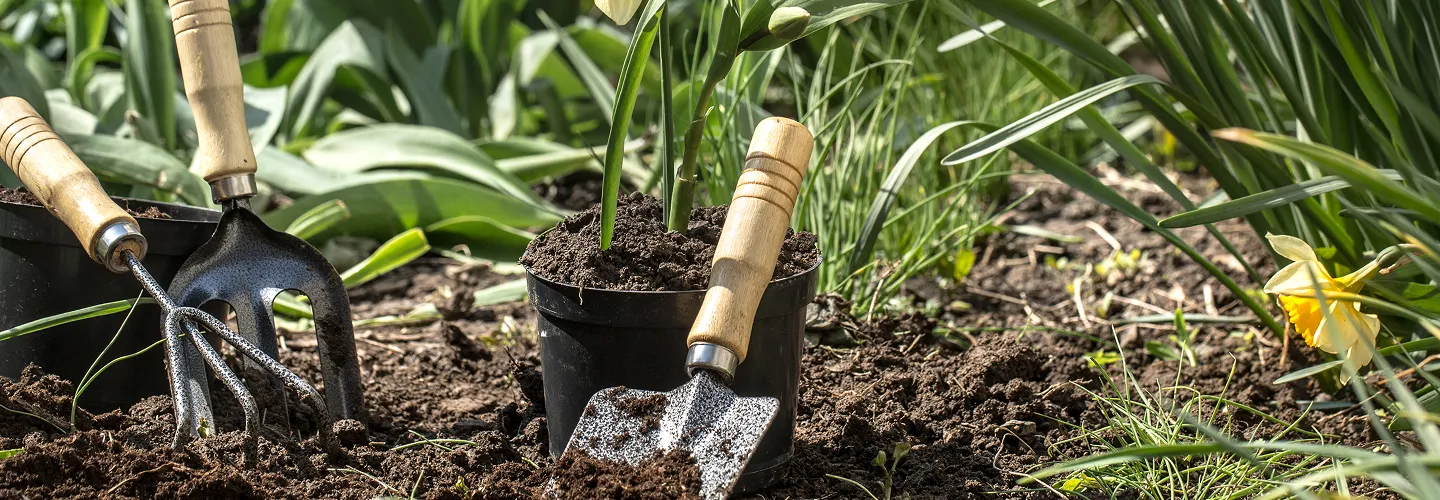
Guadalupe Leaf Removal Services
Choose our expert leaf removal for a hassle-free, thorough cleanup that keeps your yard healthy, safe, and looking its best all season long.
Get a Free QuoteOur Guadalupe Landscaping & Yard Care Services
When to Schedule Leaf Removal in Guadalupe, Arizona – Seasonal Guide
In Guadalupe, Arizona, the timing of leaf removal is closely tied to our unique Sonoran Desert climate and the specific needs of neighborhoods like South Mountain Vista and the areas surrounding the Guadalupe Mercado. The optimal periods for leaf removal are typically late fall through early winter, after the majority of deciduous trees have shed their leaves but before the first frost, which usually occurs in late December. This timing helps prevent leaves from matting down and creating excess moisture, which can lead to fungal growth in shaded yards or areas with clay-heavy soils.
Local environmental factors such as drought risk, humidity levels, and the prevalence of shade from mature mesquite and palo verde trees all play a role in determining the best schedule for leaf removal. For example, properties near the Western Canal Trail may experience higher leaf accumulation due to denser tree coverage, while homes closer to Avenida del Yaqui might need more frequent service due to wind patterns. It's also important to consider municipal guidelines and resources, which can be found on the Town of Sudbury's website, to ensure compliance with local regulations.
Local Factors to Consider for Leaf Removal in Guadalupe
- Tree density and species (mesquite, palo verde, ash)
- Proximity to landmarks like Western Canal Trail or Guadalupe Mercado
- Soil type (sandy vs. clay-heavy)
- Shade coverage and yard orientation
- Precipitation patterns and drought risk
- Municipal restrictions or scheduled collection dates
- Terrain and accessibility for equipment
Benefits of Leaf Removal in Guadalupe
Enhanced Curb Appeal
Healthier Lawns and Gardens
Prevention of Pest Infestations
Improved Safety and Accessibility
Time and Effort Savings
Professional and Reliable Service
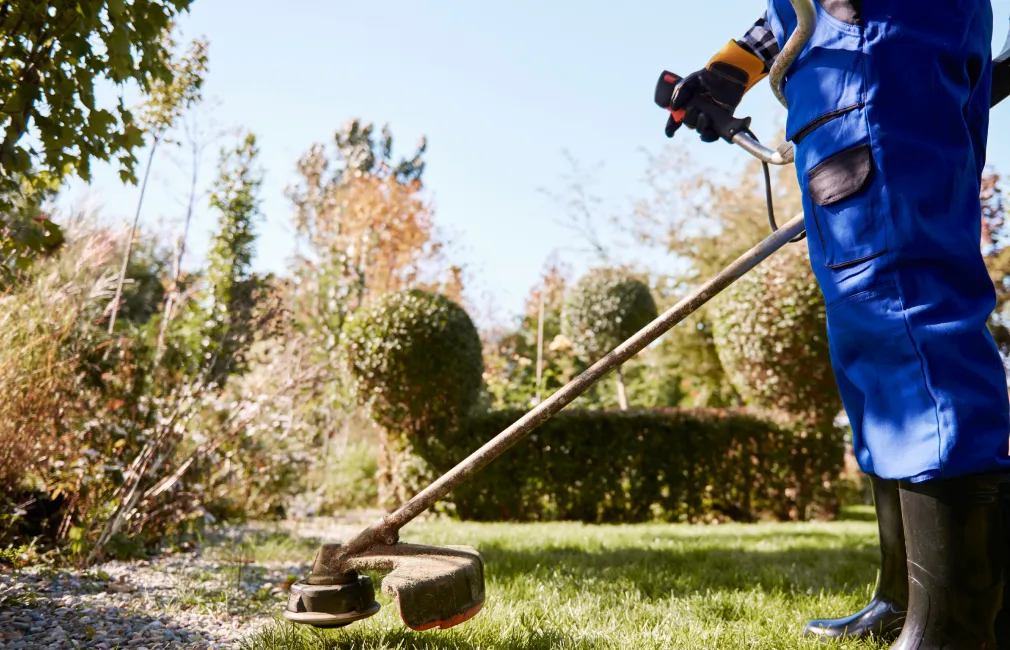
Guadalupe Leaf Removal Types

Seasonal Leaf Cleanup
-
Curbside Leaf Collection
-
On-Demand Leaf Removal
-
Lawn Vacuuming Services
-
Gutter Leaf Clearing
-
Mulching Leaf Disposal
-
Full Property Leaf Clearing
Our Leaf Removal Process
Site Evaluation
Debris Gathering
Leaf Collection
Final Cleanup
Why Choose Guadalupe Landscape Services
-
Guadalupe Homeowners Trust Us
-
Expert Lawn Maintenance
-
Reliable Scheduling
-
Competitive Pricing
-
Professional Team
-
Satisfaction Guarantee
-
Personalized Service
Coordinating Leaf Removal with Guadalupe's Public Works and Drainage Operations
Leaf removal in Guadalupe requires coordination with the Town's municipal infrastructure, particularly its street drainage systems and public rights-of-way. The Town of Guadalupe Public Works Department oversees maintenance of streets, drainage channels, and public facilities, and residents should verify current green waste collection procedures and bulk pickup schedules directly with this department before placing leaf debris curbside. Accumulated leaf litter left in the right-of-way or near curb inlets can obstruct drainage flow during monsoon events, creating localized flooding risks in Guadalupe's compact residential blocks.
- Confirm whether bagged or loose green waste is accepted under current collection rules before setting material at the curb
- Keep leaf piles away from storm drain inlets, curb openings, and drainage swales at all times
- Contact Public Works to clarify any seasonal changes to bulk organic waste pickup schedules
- Coordinate timing of large-volume leaf haul-offs so debris does not sit exposed during high-wind periods
Guadalupe Public Works Department
9241 S. Avenida del Yaqui, Guadalupe, AZ 85283
Official Website: Guadalupe AZ Public Works
How Guadalupe's Low-Desert Heat and Soils Affect Leaf Removal Timing
Guadalupe sits within the Phoenix metropolitan low desert, classified in USDA Hardiness Zone 10a, where extreme summer heat and alkaline, often caliche-bearing soils shape how leaf litter accumulates and decomposes. Common landscape trees in the area—including mesquite, palo verde, African sumac, and various citrus—shed leaves and seed pods on cycles that do not follow traditional fall-only patterns. Mesquite and palo verde typically drop foliage in late spring and again after monsoon stress, while citrus and ficus species may shed heavily in late winter and early spring.
- Alkaline sandy loam and compacted subdivision fill common in Guadalupe resist moisture absorption, causing wet leaf mats to form rapidly after irrigation or rain
- Reflected heat from block walls, concrete driveways, and asphalt accelerates leaf desiccation, producing fine debris that migrates into drainage channels
- Monsoon microbursts between July and September scatter dried leaf material across yards, sidewalks, and into curb inlets within minutes
- Irrigation overspray on leaf piles promotes rapid decomposition and can attract pests, particularly in warm months when temperatures exceed 100°F for extended periods
Understanding these conditions helps property owners and managers schedule leaf removal at intervals that prevent drainage obstruction and pest accumulation rather than relying on a single annual cleanup.
Guadalupe's Stormwater Regulations and Compliance Requirements for Leaf Removal
Leaf debris entering Guadalupe's storm drainage system is subject to stormwater quality regulations enforced at both the municipal and state levels. The Town of Guadalupe maintains a Storm Water Management program focused on flood prevention, water quality protection, and pollution prevention. Under Arizona DEQ's Phase II MS4 program, municipalities in the Phoenix metro area must prevent pollutants—including organic debris—from entering the municipal separate storm sewer system and ultimately reaching waterways protected under the Clean Water Act.
- Leaf material must not be swept, blown, or deposited into street gutters, storm drain inlets, or drainage channels
- Property owners are responsible for preventing organic waste accumulation on sidewalks and in the public right-of-way adjacent to their parcels
- The Town Code of Ordinances may include property maintenance standards requiring timely removal of accumulated yard debris; residents should verify current code provisions with the Community Development Department
Guadalupe Storm Water Management
9241 S. Avenida del Yaqui, Guadalupe, AZ 85283
Official Website: Guadalupe AZ Storm Water Management
Commercial leaf removal operators working within Guadalupe should ensure that blowers, vacuums, and collection equipment do not discharge debris into the stormwater conveyance system and that all collected material is transported to an appropriate disposal or composting facility.
Professional Standards and Seasonal Scheduling for Leaf Removal in Guadalupe
Effective leaf removal in Guadalupe's low-desert environment requires scheduling aligned with the distinct shedding cycles of regionally common tree species rather than a single autumn cleanup. Professional-grade service typically follows a multi-pass approach throughout the year, with increased frequency during peak drop periods.
- Late winter through early spring (February–April): Citrus, ficus, and evergreen species shed older foliage as new growth emerges; this period often produces the heaviest single-season leaf volume on irrigated residential lots
- Late spring (May–June): Palo verde and mesquite trees drop leaves and flower debris before the monsoon season; prompt removal prevents material from washing into drainage infrastructure during early storms
- Monsoon season (July–September): Wind-driven redistribution of dried leaves requires post-storm passes to clear curb lines, retention areas, and yard drains
- Fall and early winter (October–January): Deciduous ornamentals such as ash and mulberry contribute a secondary leaf drop; frequency can often be reduced during this cooler period
Operators should use backpack blowers at reduced throttle near drainage inlets and collect material into bags or bins rather than windrow-blowing toward streets. Tarps and vacuum systems are preferred on properties adjacent to washes or retention basins to minimize fugitive debris. The University of Arizona Cooperative Extension provides additional guidance on managing organic debris around irrigated landscapes in low-elevation Arizona.
Arizona Community Tree Council
Official Website: Arizona Tree Care Professionals
What Neighborhoods Do We Serve Throughout Guadalupe, AZ?
- Guadalupe Town Center: Older residential lots with mature citrus, mulberry, and shade trees generate consistent leaf volume year-round, and narrow lot setbacks require careful debris containment during removal
- Calle Guadalupe Corridor: Properties along this central corridor feature mixed residential and small commercial parcels where leaf litter accumulates on sidewalks and near curb inlets serving the town's primary drainage flow
- Avenida del Yaqui Area: Homes near the town's main north-south avenue often have irrigated yards with established mesquite and ficus trees, producing heavy spring and late-winter leaf drop that requires multiple service passes
- South Guadalupe Residential Blocks: Compact lots south of Calle Guadalupe include older landscaping with dense canopy cover, creating shaded areas where wet leaf mats persist longer and require timely collection to prevent pest harborage
- Eastern Boundary near Tempe: Properties along Guadalupe's eastern edge adjacent to Tempe share drainage infrastructure and may be subject to coordinated stormwater management expectations from both municipalities